Professional • Reliable • 24/7 Support
Professional Faucet Repair
Drain State provides professional faucet repair for leaking faucets, persistent drips, loose handles, low water flow, cartridge problems, and other common faucet plumbing issues.
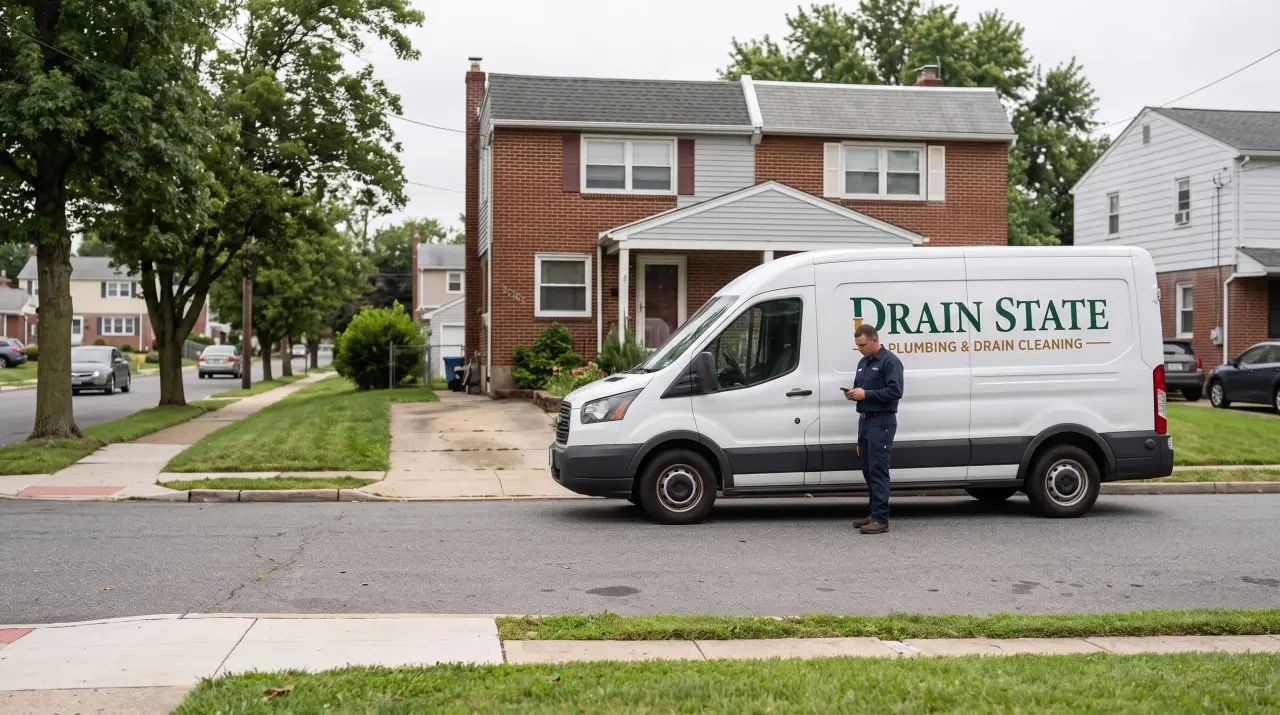
Professional Faucet Repair
Drain State Plumbing
Drain State provides professional faucet repair for leaking faucets, persistent drips, loose handles, low water flow, cartridge problems, and other common faucet plumbing issues.
Faucet Repair
A faucet can leak, drip, lose water pressure, become difficult to operate, or stop controlling water correctly as internal components wear or connections begin to fail.
Drain State provides professional faucet repair for kitchen, bathroom, utility, and other plumbing faucets with persistent drips, leaks, loose handles, low flow, or operating problems.
We start by identifying where the problem is coming from so the repair is based on the affected component rather than replacing parts that are still working.
We check whether the faucet is dripping from the spout, leaking around the base, difficult to operate, producing low flow, or leaking from a connection below the sink.
The problem may involve the cartridge, valve components, seals, supply connections, aerator, handle assembly, or another part of the faucet.
Once the cause is identified, the failed component or connection can be repaired or replaced as appropriate.
Common Faucet Problems We Repair
Different faucet problems can produce similar symptoms. A drip from the spout, water around the base, and moisture under the sink may all come from different parts of the fixture or plumbing connection.
Dripping Faucet
A faucet that continues dripping after it has been shut off may have a worn cartridge, seal, washer, valve component, or another internal part that is no longer controlling water properly.
Faucet Leaking Around the Base
Water collecting around the faucet body can come from seals, internal components, connections, or water traveling from another part of the fixture.
Loose Faucet Handle
A loose, difficult, or poorly controlling handle may involve the handle connection, cartridge, stem, or another component inside the faucet.
Low Water Flow
Reduced flow can be caused by buildup at the aerator, a faucet component, a partially restricted supply connection, or another plumbing condition affecting water delivery.
Leak Under the Sink
Moisture below a faucet may come from the supply line, shutoff valve, faucet connection, drain piping, or water traveling down from the fixture above.
Faucet Will Not Shut Off Properly
If water continues flowing or the handle no longer controls the faucet normally, an internal valve or cartridge problem may need to be repaired.
Why Faucets Start Leaking
A faucet contains moving parts, seals, and water-control components that operate every time the fixture is used. Over time, those parts can wear, loosen, collect mineral buildup, or stop sealing correctly.
Common faucet problems can involve:
- Worn cartridges or valve components
- Deteriorated seals or O-rings
- Loose faucet or handle hardware
- Mineral buildup around internal components or the aerator
- Leaking water supply connections
- Problems with the shutoff valve below the fixture
- Damage or wear inside the faucet body
The correct repair depends on where water is escaping and how the faucet behaves when it is turned on and off.
The source may be a supply connection, shutoff valve, drain connection, or another nearby plumbing component. Finding the source first helps avoid repairing the wrong part.
How We Approach Faucet Repair
The first step is to determine exactly when and where the problem occurs. A faucet that drips while turned off requires a different diagnosis from one that leaks only while water is running.
See How the Faucet Is Behaving
We check whether the faucet drips while off, leaks while running, has low flow, operates poorly, or produces moisture above or below the sink.
Determine Which Component Is Involved
The faucet, supply lines, shutoff valves, handles, cartridge, aerator, and visible connections can be checked to narrow down the source.
Address the Failed Component or Connection
Once the source is identified, the affected component or connection can be repaired or replaced when the existing faucet remains serviceable.
Run the Faucet and Check for Leaks
After the repair, the faucet is operated through normal use so flow, shutoff, handles, and visible plumbing connections can be checked.
Leaky Faucet Repair
A leaking faucet should be diagnosed based on where the water is coming from. A drip from the spout is different from water escaping around the handle, faucet body, or plumbing connections underneath the fixture.
Repair may involve an internal cartridge, seal, valve component, O-ring, supply connection, or another part depending on the faucet design and the location of the leak.
Replacing one visible component will not solve the problem if water is actually escaping from a different connection or internal part.
Dripping Faucet Repair
A faucet that drips after the handle is fully shut off is allowing water to pass through a component that should be sealing the flow.
Depending on the faucet design, the cause may involve a cartridge, valve seal, washer, stem, or another internal component.
A persistent drip may seem minor, but it can waste water continuously and often becomes worse as the affected component continues to wear.
Faucet Cartridge Problems
Many modern faucets use a cartridge to control water flow, temperature, or both. When the cartridge wears or becomes damaged, the faucet may drip, become difficult to operate, fail to shut off completely, or stop mixing hot and cold water normally.
If the faucet design allows the cartridge to be serviced and the rest of the fixture remains in usable condition, replacing the affected cartridge may restore normal operation without replacing the entire faucet.
Faucet Leaking Around the Handle
Water around a faucet handle can indicate a problem with an internal seal, cartridge, stem, O-ring, or another component beneath the handle assembly.
The leak may only appear while the faucet is running or while the handle is moved, which can help narrow down where the problem is occurring.
Faucet Leaking Around the Base
Water collecting where the faucet meets the sink or countertop can come from the faucet body, internal seals, mounting area, or water running down from another part of the fixture.
Before removing the faucet, the source should be confirmed because water from the spout, handle, or nearby sink area can sometimes travel toward the faucet base and make the origin less obvious.
Leak Under the Sink
Water beneath a sink is not always caused by the faucet itself. The area may contain several water and drainage connections close together.
Possible sources include:
- Hot or cold water supply connections
- Fixture shutoff valves
- Connections at the faucet body
- Drain or trap connections
- Water traveling down from the sink or countertop above
The area should be checked while the plumbing is being used so the leak can be traced to the connection that is actually releasing water.
For other leaking plumbing connections, see our plumbing repair service.
Low Water Flow From a Faucet
When one faucet has noticeably weaker flow than other fixtures in the property, the cause may be local to that faucet rather than a problem with the entire plumbing system.
An aerator can collect debris or mineral buildup, while internal faucet components or supply connections can also restrict flow.
If low pressure affects several fixtures instead of only one faucet, the issue may involve a larger part of the water supply system and should be evaluated differently.
Faucet Aerator Problems
The aerator is located at the end of many faucet spouts and helps shape the stream of water. Material can collect inside the aerator and reduce or distort the flow.
An aerator problem can create weak flow, an uneven stream, or spraying even when the faucet's main valve components are operating normally.
If cleaning or servicing the aerator does not restore normal flow, the restriction may be elsewhere in the faucet or water supply.
Loose or Difficult Faucet Handles
A loose handle may involve mounting hardware or the connection between the handle and the internal valve mechanism.
A handle that becomes stiff, difficult to turn, or unable to control water normally may point to wear inside the cartridge, stem, or another internal component.
The repair should address why the handle is not operating normally rather than simply forcing or overtightening it.
Hot or Cold Water Not Working at One Faucet
If one side of a faucet has little or no flow while other fixtures in the property receive water normally, the problem may be local to the faucet, supply connection, shutoff valve, or internal component.
Checking whether the problem affects only hot water, only cold water, or both sides helps narrow down where the restriction or failure may be located.
Kitchen Faucet Repair
Kitchen faucets are used frequently and may develop drips, loose handles, leaks around the base, low flow, or problems with internal cartridges and connections.
Water found inside the cabinet below the kitchen sink should also be checked carefully because the source may be the faucet, water supply, drain piping, or another connection in the same area.
If the kitchen sink itself is draining slowly or backing up, that is a different problem. See our clogged kitchen sink service.
Bathroom Faucet Repair
Bathroom sink faucets can develop many of the same problems as kitchen faucets, including persistent dripping, leaking around handles or the base, loose components, and reduced flow.
Because the sink drain and water supply connections are located close together, moisture inside the vanity should be traced before assuming which plumbing component needs repair.
Faucet Repair vs. Faucet Replacement
A leaking or poorly operating faucet does not automatically need to be replaced. Many problems involve individual components that can be serviced while the rest of the fixture remains usable.
Repair may make sense when the problem is limited to a cartridge, seal, connection, handle component, or another serviceable part.
Replacing the fixture may become more practical when the faucet body itself is damaged, important replacement parts are not practical to obtain, or the existing fixture has repeated problems that no longer make continued repair worthwhile.
Recurring Faucet Leaks
If the same faucet has already been repaired and begins leaking again, the new symptom should be evaluated rather than automatically repeating the previous repair.
The original component may have failed again, another part may now be leaking, or the overall condition of the fixture may have changed.
Repeated problems can also help determine whether another repair still makes sense or whether replacement should be considered.
When a Faucet Leak Needs Service Today
A slow drip is not automatically a plumbing emergency. However, a faucet or supply connection that is releasing enough water to damage cabinets, flooring, walls, or other parts of the property should be addressed promptly.
For a stable plumbing problem that needs attention today, see our same-day plumbing service.
If water is escaping rapidly, cannot be controlled, or is actively damaging the property, contact our 24/7 emergency plumbing service.
Faucet Repair Service Area
Drain State provides faucet repair and related plumbing services throughout Philadelphia and surrounding communities, including Bucks County, Montgomery County, Delaware County, Bensalem, Newtown, Warminster, Northeast Philadelphia, and nearby service areas.
Frequently Asked Questions About Faucet Repair
Why does my faucet keep dripping after I turn it off?
Water continuing through the spout can indicate that an internal cartridge, valve seal, washer, stem, or another component is no longer shutting off the flow completely.
Can a leaking faucet be repaired without replacing it?
Often, yes. If the faucet body remains in usable condition, a failed cartridge, seal, connection, handle component, or another serviceable part may be repaired or replaced.
Why is my faucet leaking around the base?
Water around the base can come from internal seals, the faucet body, mounting area, connections, or water traveling from another part of the fixture. The source should be identified before the repair is selected.
Why is there water under my sink?
Water under a sink may come from faucet connections, supply lines, shutoff valves, drain piping, or water traveling down from the sink above. The area should be checked while the plumbing is operating to locate the source.
Why does my faucet have low water pressure?
If only one faucet has weak flow, the cause may involve the aerator, internal faucet components, supply connection, or local shutoff valve. If several fixtures have low pressure, a larger water supply problem may need to be investigated.
Can you repair a faucet cartridge?
When a cartridge is causing the problem and the faucet remains serviceable, the affected cartridge may be replaced with the appropriate component for that fixture.
Why is my faucet handle loose?
A loose handle can involve mounting hardware or the connection between the handle and the faucet's internal valve mechanism. The cause should be checked before the handle is simply tightened.
Should I repair or replace a leaking faucet?
Repair often makes sense when the problem involves a serviceable component and the faucet remains in good condition. Replacement may be more practical when the fixture itself is damaged, replacement parts are not practical, or the faucet has repeated problems.
Is a leaking faucet an emergency?
A small controlled drip is usually not an emergency. A leak becomes more urgent when water cannot be controlled or is actively damaging cabinets, flooring, walls, or other areas of the property.
Do you provide faucet repair in Philadelphia?
Yes. Drain State provides professional faucet repair in Philadelphia and surrounding communities.
Professional Faucet Repair
Faucet Dripping, Leaking, or Not Working Correctly?
If your faucet keeps dripping, leaks around the handle or base, has weak flow, or no longer controls water normally, contact Drain State to identify the problem and repair the affected fixture or plumbing connection.
Drain State Plumbing
Need faucet repair?
Contact Drain State for professional plumbing service, straightforward pricing, and help with your plumbing needs.