Professional • Reliable • 24/7 Support
Professional Toilet Installation
Drain State provides professional toilet installation and replacement for new toilets, failed fixtures, bathroom upgrades, and existing toilets that need to be replaced.
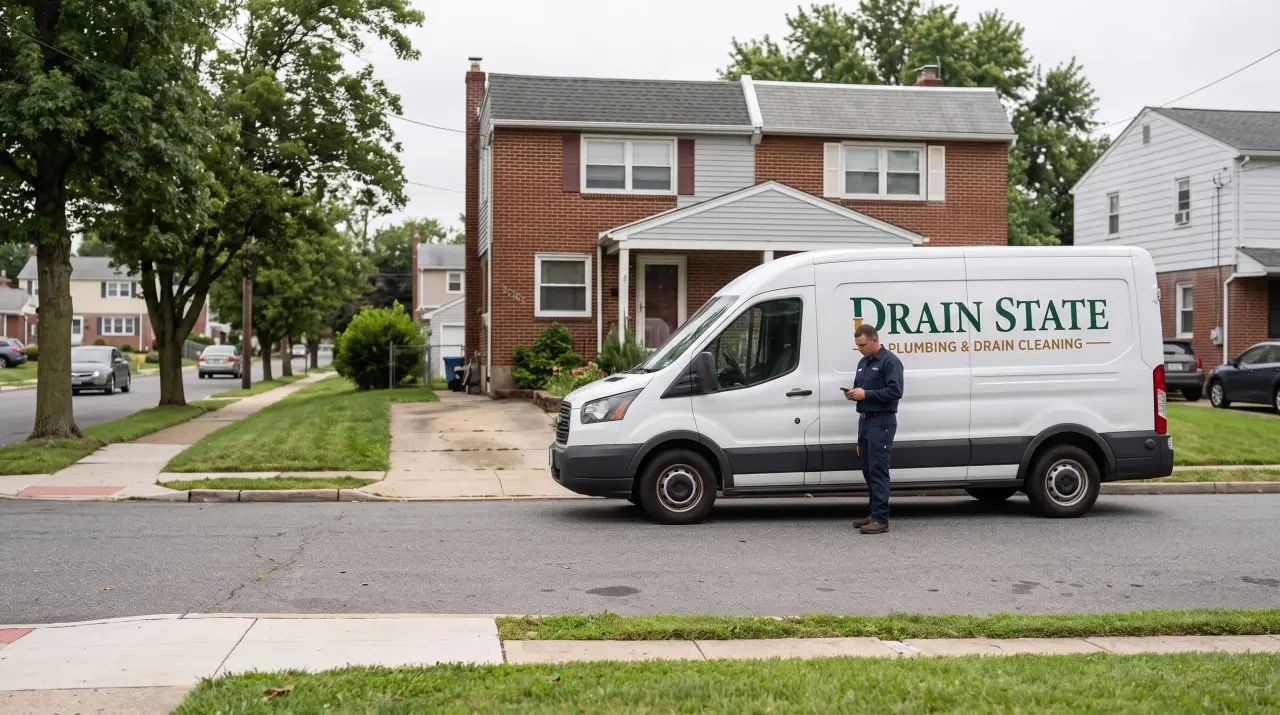
Professional Toilet Installation
Drain State Plumbing
Drain State provides professional toilet installation and replacement for new toilets, failed fixtures, bathroom upgrades, and existing toilets that need to be replaced.
Toilet Installation
Installing a toilet correctly involves more than setting the fixture in place and connecting the water supply. The toilet needs to sit securely on the flange, seal properly to the drain, fill and flush correctly, and remain stable without leaking around the base or supply connection.
Drain State provides professional toilet installation and replacement for properties that need a new toilet installed, an existing toilet replaced, or a fixture changed as part of a bathroom plumbing project.
Before the new toilet is set, we check the existing connection and visible plumbing around the fixture so problems with the flange, shutoff valve, supply line, or mounting surface are not ignored during installation.
When replacing a toilet, the existing fixture is disconnected so the drain connection, flange, and surrounding area can be checked before the new toilet is installed.
The new fixture is positioned over the drain connection, secured properly, and connected to the water supply.
After installation, the toilet is filled and flushed so the supply connection, tank, bowl, base, and drainage can be checked for proper operation.
When You May Need a New Toilet Installed
A toilet may need to be installed because an existing fixture has failed, a bathroom is being updated, or a new fixture is replacing an older toilet that no longer makes sense to repair.
Replacing an Old Toilet
An older toilet may be replaced because of recurring problems, visible damage, poor performance, or because the property owner wants a newer fixture.
Cracked Toilet Bowl or Tank
A cracked porcelain bowl or tank can allow water to leak and may make replacement more appropriate than trying to continue using the damaged fixture.
Toilet Keeps Having Problems
If the same toilet repeatedly leaks, runs, clogs, or requires repairs, the overall condition of the fixture should be considered before another repair is made.
Bathroom Plumbing Upgrade
A new toilet can be installed when fixtures are being changed during a bathroom update or other plumbing work.
Loose or Unstable Toilet
A toilet that rocks or moves should be checked before another fixture is installed because the problem may involve the mounting surface, flange, fasteners, or the fixture itself.
Leaking Around the Toilet
Water around the base does not automatically mean the toilet itself has failed. The source should be identified before deciding whether the fixture needs to be reset, repaired, or replaced.
What We Check Before Installing a Toilet
A new toilet depends on the plumbing connection underneath and behind it. Installing the fixture without checking those areas can leave an existing problem hidden beneath the new toilet.
Before the installation is completed, the visible condition of the toilet connection may include:
- The toilet flange and mounting points
- The condition and position of the drain opening
- The shutoff valve serving the toilet
- The toilet water supply connection
- The floor or mounting surface around the fixture
- Visible signs of previous leaking or movement
If something at the connection needs attention, it is better to identify it while the old toilet is removed rather than covering the problem with a new fixture.
If the flange, shutoff valve, supply connection, or surrounding plumbing has a problem, that condition may need to be addressed before the new toilet can be installed correctly.
How We Install a New Toilet
The exact work depends on whether a toilet is being installed at an existing connection or replacing another fixture. The installation starts with the condition of the plumbing already in place.
Remove the Existing Fixture and Inspect the Area
When replacing a toilet, the old fixture is disconnected and removed so the flange, drain opening, water supply, and mounting area can be inspected.
Prepare the Toilet-to-Flange Connection
The connection between the toilet and drain needs a proper seal so wastewater and sewer gas remain inside the drainage system.
Position and Secure the Toilet
The toilet is positioned over the drain connection and secured so it sits properly without unnecessary movement.
Restore Water and Check Operation
The water supply is connected and the toilet is filled and flushed while the fixture, supply connection, base, and drainage are checked for proper operation.
Toilet Replacement vs. Toilet Repair
A toilet problem does not always mean the entire fixture needs to be replaced. Some problems can be corrected by repairing a component, connection, or seal.
Replacement becomes more relevant when the porcelain fixture itself is damaged, the toilet has repeated significant problems, or installing a new fixture makes more sense than continuing to repair the existing one.
The right solution depends on what is actually wrong. A repairable component is different from a cracked fixture or an older toilet with repeated problems.
Replacing a Toilet That Leaks at the Base
Water appearing around the bottom of a toilet should be investigated before assuming the porcelain fixture needs replacement.
The leak may involve the seal between the toilet and the drain connection, movement at the fixture, the water supply, the tank, or another nearby source. If the toilet is removed, the flange and surrounding connection can also be checked for visible problems.
For other leaking plumbing fixtures and connections, see our plumbing repair service.
Replacing a Toilet That Rocks or Moves
A toilet should remain stable during normal use. If the fixture rocks, shifts, or feels loose, simply tightening it without understanding why it moves may not solve the underlying problem.
Movement can involve loose mounting hardware, an uneven surface, the toilet itself, or a problem with the flange or mounting connection underneath the fixture.
That condition should be checked before a replacement toilet is installed so the new fixture does not inherit the same problem.
Toilet Flange Problems During Installation
The toilet flange connects the fixture to the drainage system and provides the mounting point used to secure the toilet.
When an existing toilet is removed, a damaged, loose, corroded, incorrectly positioned, or otherwise compromised flange may become visible. The condition of that connection matters because the new toilet depends on it for both stability and a proper drain seal.
If the flange requires additional work, that should be addressed before the new fixture is permanently set.
Toilet Shutoff Valve and Supply Connection
The toilet also depends on the water supply behind or beside the fixture. Before installation is completed, the shutoff valve and accessible supply connection should be checked for obvious leaking or damage.
A new toilet can operate correctly only if water can be supplied to the tank or fixture without leaking at the connection.
New Toilet Installation for a Bathroom Upgrade
Toilet installation is often one part of a larger bathroom plumbing project. A fixture may be replaced together with other plumbing work when a bathroom is being updated.
If your project involves additional bathroom plumbing changes, see our bathroom remodeling plumbing service.
What Happens After the Toilet Is Installed?
The installation is not complete just because the toilet is sitting in place. The fixture needs to be operated so the plumbing connections can be checked under normal use.
After the water is restored, the toilet should fill and flush normally while the visible connections are checked for leaking and the fixture is checked for movement.
If water does not drain correctly during testing, the problem may involve the drainage system rather than the new toilet itself.
New Toilet Still Draining Slowly?
Installing a new toilet does not clear a blocked drain line. If the old toilet had trouble flushing because of a restriction farther into the plumbing system, the same drainage problem can remain after replacement.
A toilet that backs up, drains slowly, or affects other fixtures may need the drain system evaluated separately.
For drainage problems, see our clogged drain service.
When Toilet Installation Needs Same-Day Plumbing Service
A planned toilet replacement usually does not require emergency service. However, a failed toilet may need faster attention when it is the only usable toilet in the property, cannot be used normally, or has an active plumbing problem that prevents normal bathroom use.
For a stable plumbing problem that needs attention today, see our same-day plumbing service.
If water is actively overflowing, cannot be controlled, or is causing immediate property damage, contact our 24/7 emergency plumbing service.
Toilet Installation Service Area
Drain State provides toilet installation, replacement, and related plumbing services throughout Philadelphia and surrounding communities, including Bucks County, Montgomery County, Delaware County, Bensalem, Newtown, Warminster, Northeast Philadelphia, and nearby service areas.
Frequently Asked Questions About Toilet Installation
Can a plumber install a new toilet?
Yes. A plumber can remove an existing toilet when necessary, check the plumbing connection, install the replacement fixture, connect the water supply, and test the toilet after installation.
Do you install replacement toilets?
Yes. Drain State provides toilet replacement when an existing fixture is being removed and a new toilet is installed at the plumbing connection.
Should I repair or replace my toilet?
It depends on what has failed. Some internal components, connections, and seals can be repaired. Replacement may make more sense when the porcelain fixture is damaged or the toilet has repeated significant problems.
What happens if the toilet flange is damaged?
The flange should be evaluated before the new toilet is permanently installed. A loose or damaged flange can affect the toilet's stability and the seal between the fixture and drain.
Why is my toilet leaking around the base?
Water around the base can involve the toilet-to-drain seal, movement at the fixture, the supply connection, the tank, or another nearby source. The source should be identified before deciding whether repair or replacement is necessary.
Why does my toilet rock after installation?
A toilet should remain stable. Movement can involve the mounting connection, flange, floor surface, fasteners, or the fixture itself and should be corrected rather than ignored.
Will installing a new toilet fix a clogged drain?
Not if the blockage is farther into the drainage system. A new toilet can replace a damaged or unwanted fixture, but a restricted drain line needs to be addressed separately.
Can you install a toilet during a bathroom remodel?
Yes. Toilet installation can be part of the plumbing work involved in a bathroom upgrade or fixture replacement project.
Do you provide toilet installation in Philadelphia?
Yes. Drain State provides professional toilet installation and replacement in Philadelphia and surrounding communities.
Professional Toilet Installation
Need a New Toilet Installed?
Whether you are replacing an old toilet, changing a damaged fixture, or installing a new toilet as part of a bathroom plumbing project, contact Drain State for professional toilet installation and replacement.
Drain State Plumbing
Need toilet installation?
Contact Drain State for professional plumbing service, straightforward pricing, and help with your plumbing needs.