Common Plumbing Problems in Historic Philadelphia Homes
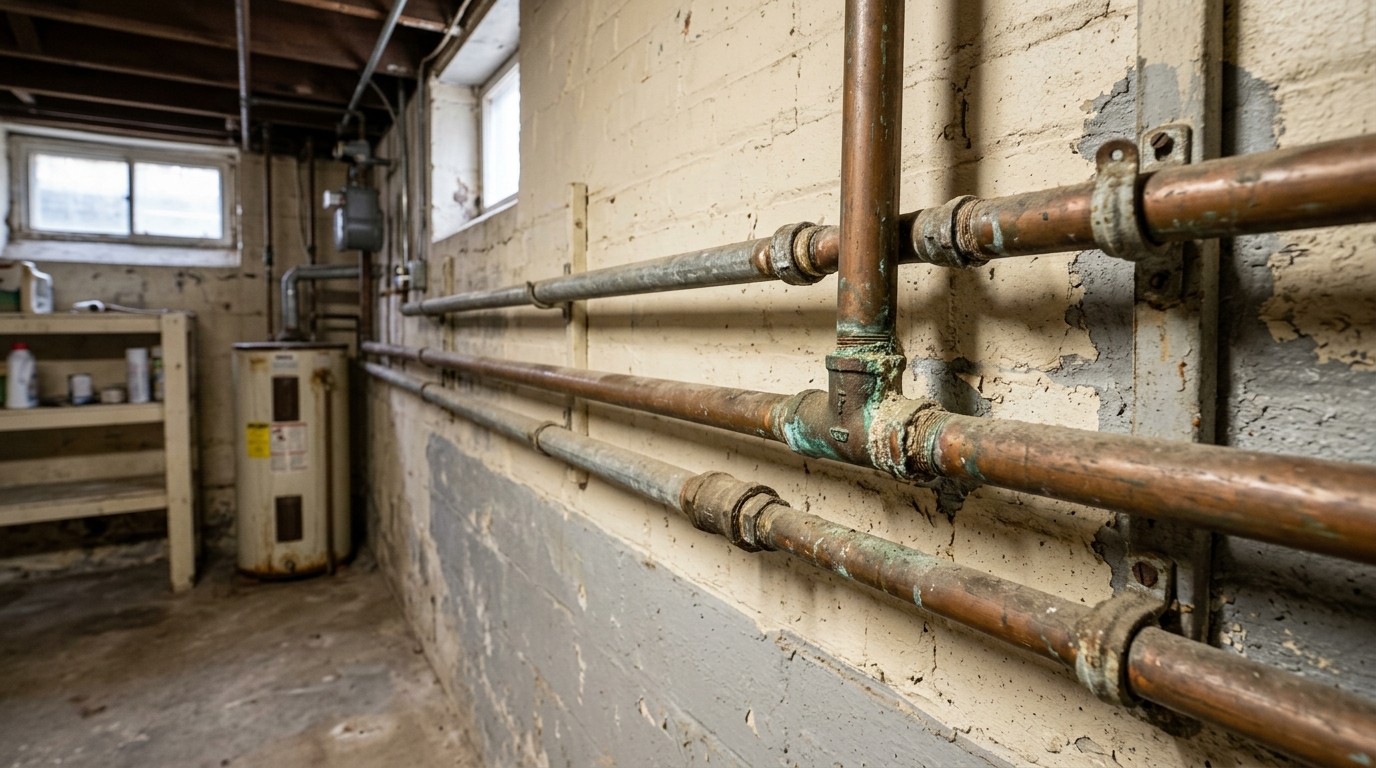
Historic Philadelphia homes have character and architectural details that make them unique, but older plumbing systems can present challenges that newer construction does not. Multiple generations of repairs and upgrades may exist behind walls, under floors, and in utility areas.
Aging Pipes
Older piping materials can corrode, develop restricted flow, or eventually leak. A home's age alone does not determine its condition, but visible corrosion, repeated repairs, and discolored water can justify a professional inspection.
Low Water Pressure
Low pressure can result from mineral buildup, aging supply lines, partially closed valves, leaks, or problems with fixtures. If the issue affects the entire home, the plumbing system should be evaluated rather than replacing a single faucet.
Recurring Drain Problems
Older drain lines may have accumulated years of grease, mineral deposits, and other material. Repeated clogs can also be associated with pipe damage, poor connections, or changes made during previous renovations.
Hidden Leaks
A leak behind a wall or beneath a floor can remain unnoticed until paint, drywall, flooring, or cabinetry begins to show damage. Unexplained moisture, musty odors, or sudden increases in water use can warrant investigation.
Careful Plumbing Evaluation
Historic properties benefit from a careful approach. Before making a repair or replacement, a plumber should consider the existing materials, previous modifications, access limitations, and the home's current plumbing needs.
DrainState provides plumbing services for Philadelphia homes, including older properties. For suspected hidden leaks, see our leak detection and repair service or contact DrainState to schedule an evaluation.
Need Professional Plumbing Service?
Our team is ready to help you with inspections, repairs, and line upgrades.
Schedule an Inspection