Basement Flooding and Sump Pump Guide for Suburban Homes
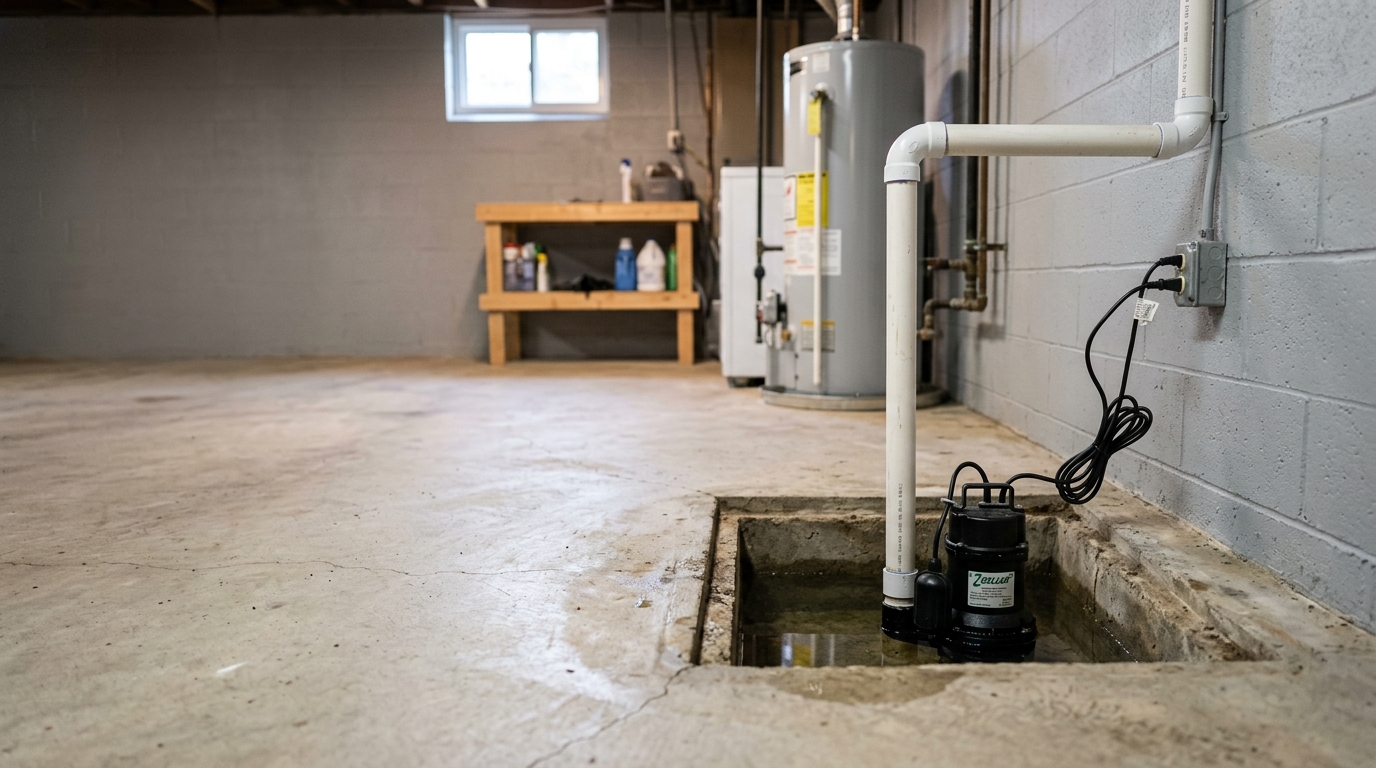
Basement flooding can happen quickly during heavy rain, snowmelt, plumbing failures, or groundwater intrusion. A reliable drainage and sump pump system can help protect finished spaces, stored belongings, and the structure of a home.
Common Causes of Basement Flooding
- Heavy rainfall and groundwater.
- A failed or overwhelmed sump pump.
- Blocked or damaged drainage systems.
- Burst or leaking plumbing.
- Foundation drainage problems.
How a Sump Pump Helps
A sump pump collects water in a sump basin and pumps it away from the home's foundation. The system is especially important in properties where groundwater regularly reaches the basement or where exterior drainage cannot provide enough protection.
Warning Signs of Sump Pump Problems
- The pump runs continuously.
- The pump makes unusual noises.
- Water rises in the sump basin.
- The pump fails to start automatically.
- The discharge line is blocked or frozen.
What to Do After Basement Flooding
If flooding comes from a plumbing failure, stop the water source when it is safe to do so. Keep people away from electrical hazards and avoid entering standing water when electrical equipment may be affected. Once the immediate hazard is controlled, identify the plumbing or drainage cause.
Reducing Future Flood Risk
Homeowners should keep sump pump discharge paths clear, inspect the pump periodically, consider backup power where appropriate, and address plumbing leaks promptly. Exterior drainage and grading should also direct water away from the foundation.
If a plumbing failure is causing active basement flooding, DrainState can help with emergency plumbing service in Philadelphia and surrounding suburban communities. Contact us for help with a serious water problem.
Need Professional Plumbing Service?
Our team is ready to help you with inspections, repairs, and line upgrades.
Schedule an Inspection