Professional • Reliable • 24/7 Support
Professional Sump Pump Repair
Drain State provides professional sump pump repair for pumps that will not start, run continuously, fail to remove water properly, make unusual noises, or develop other common operating problems.
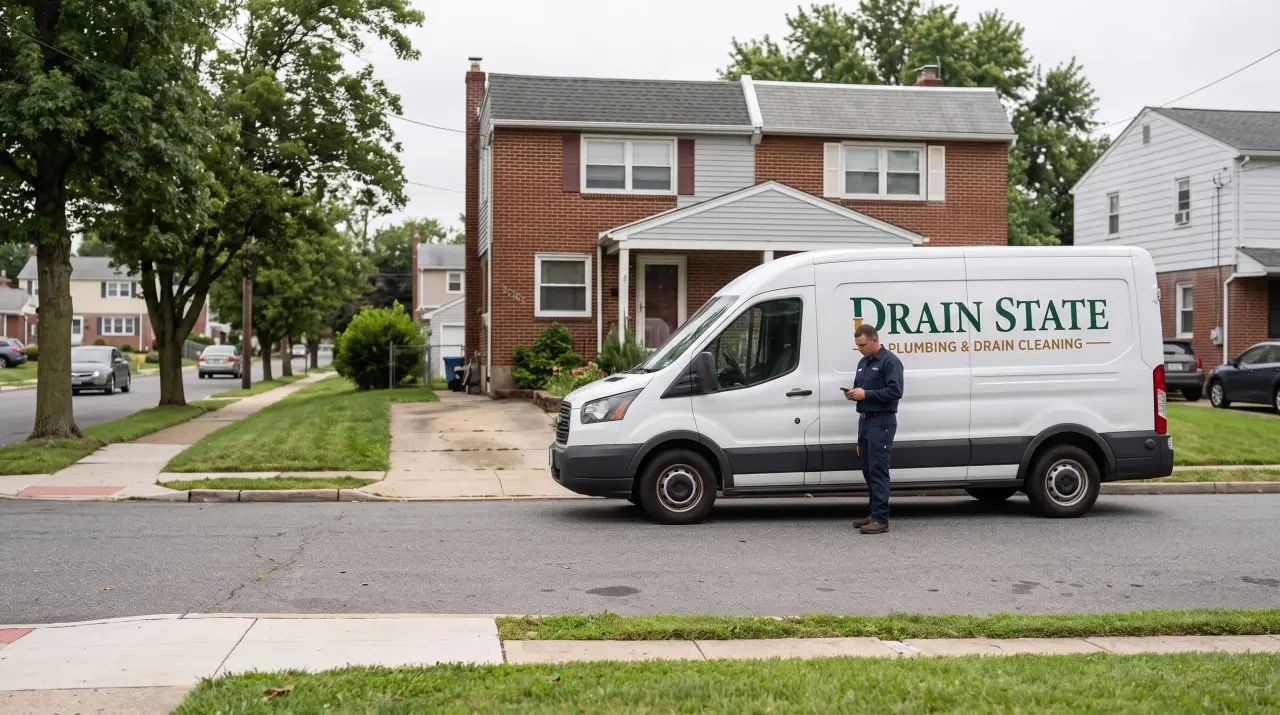
Professional Sump Pump Repair
Drain State Plumbing
Drain State provides professional sump pump repair for pumps that will not start, run continuously, fail to remove water properly, make unusual noises, or develop other common operating problems.
Sump Pump Repair
A sump pump that will not start, runs continuously, makes unusual noises, or fails to remove water properly can leave a basement or lower-level area vulnerable when water reaches the sump basin.
Drain State provides professional sump pump repair for pumps and related system components that are not operating correctly.
We start by checking how the system is behaving and whether the problem involves the pump, float, discharge path, power supply, or another part of the sump pump setup.
We look at whether the pump starts, stops normally, removes water from the basin, cycles repeatedly, makes unusual noises, or fails completely.
The problem may involve the pump itself, float mechanism, discharge line, power supply, check valve, or another part of the existing system.
If the system can be repaired reliably, we address the affected component. If the pump has failed or replacement makes more sense, we explain that option clearly.
Common Sump Pump Problems We Repair
Several different problems can cause a sump pump system to stop removing water correctly. The symptom does not always tell you which component has failed.
Sump Pump Will Not Start
A pump that does not activate when water rises may have a power problem, float issue, failed pump component, or another problem preventing normal operation.
Sump Pump Runs Continuously
A pump that does not shut off may be dealing with a float problem, continuing water entry, improper cycling, discharge trouble, or another system condition.
Pump Runs but Water Does Not Drop
If the motor is operating but the water level remains high, the pump may not be moving water effectively or the discharge path may be restricted.
Frequent On-and-Off Cycling
Rapid or repeated cycling can involve the float, water entering the basin, discharge conditions, or the way the pump is operating within the existing setup.
Unusual Pump Noise
Grinding, rattling, humming, or other unusual sounds can indicate that the pump or another component is not operating normally.
Water Rising in the Sump Basin
If water continues rising while the pump is not keeping up, the system should be checked before the basin overflows and water spreads into the surrounding area.
Why a Sump Pump May Stop Working
A sump pump system contains more than the pump motor itself. Water has to reach the basin, the pump has to activate at the correct level, and the discharge system has to carry that water away.
Common causes of sump pump problems can include:
- A pump that no longer starts
- A stuck or poorly operating float
- Power supply problems
- A restricted or blocked discharge line
- A problem with the check valve
- Debris interfering with pump operation
- Repeated short cycling
- Wear or failure inside the pump
- A pump that can no longer keep up with incoming water
The right repair depends on which part of the system is preventing water from being removed normally.
The pump, float, discharge piping, power supply, and related components should be checked before assuming the entire unit has failed.
How We Approach Sump Pump Repair
The goal is to determine why the existing system is not performing correctly before deciding whether repair or replacement is the better solution.
See What the Pump Is Doing
We look at the water level, pump operation, float movement, cycling behavior, discharge flow, and the symptoms that caused the service call.
Determine Which Component Is Involved
The pump, float, discharge line, power connection, check valve, basin, and other accessible parts of the setup can be evaluated to identify what is preventing normal operation.
Address the Problem
If the affected component can be repaired or corrected while the existing pump remains serviceable, the work can focus on the part causing the failure.
Check Water Removal and Cycling
After the repair, the system is checked to confirm that the pump can activate, move water through the discharge path, and shut off as expected.
Sump Pump Will Not Turn On
If water rises in the basin but the pump does not activate, the problem may involve several parts of the system.
Possible causes can include the power supply, float mechanism, pump motor, electrical connection, or another component preventing the pump from starting.
The pump should be checked before replacement is assumed, especially when the unit has stopped working suddenly without previous symptoms.
Sump Pump Runs but Does Not Remove Water
A running motor does not necessarily mean the system is moving water correctly.
If the water level in the sump basin does not drop while the pump is operating, the problem may involve the pump's ability to move water, the discharge piping, a valve, or another restriction in the system.
The discharge path should be considered along with the pump itself because a working pump cannot remove water effectively if the water has nowhere to go.
The system should be checked promptly, especially when water is entering the basin continuously. A running motor does not guarantee that water is actually leaving the property.
Sump Pump Running Continuously
A sump pump should normally shut off after the water level falls below its activation point. If it continues running, the system may not be reaching the condition needed for the pump to stop.
Continuous operation can involve:
- A float that is stuck or positioned incorrectly
- Water continuing to enter the basin
- A pump that is not removing water efficiently
- A discharge problem allowing water to return
- Another condition affecting normal cycling
The cause should be identified because allowing a pump to run unnecessarily can place additional wear on the unit.
Sump Pump Starts and Stops Repeatedly
Frequent cycling can occur when the pump activates and shuts off over very short intervals.
The cause may involve the water level, float operation, basin setup, discharge behavior, or the amount of water entering the system.
Repeated cycling should be evaluated based on the entire system rather than assuming that the pump motor itself is the only problem.
Sump Pump Float Problems
The float tells many sump pump systems when the water level is high enough for the pump to start and when it has fallen enough for the pump to stop.
If the float becomes stuck, obstructed, damaged, or unable to move normally, the pump may fail to activate or may continue running when it should shut off.
The float area should have enough room to operate without interference from the pump, basin, piping, or nearby objects.
Sump Pump Making Unusual Noise
A sump pump may produce some sound during normal operation, but a new grinding, rattling, humming, or unusually loud sound can indicate that something has changed.
Noise can come from the pump itself, vibration, debris, a connection, or another component of the system.
If the noise appears together with poor water removal or unreliable operation, the system should be checked before the problem becomes more serious.
Sump Pump Discharge Problems
A sump pump depends on its discharge line to move water away from the basin. Even a functioning pump can appear ineffective when the discharge path is restricted.
Possible discharge problems can include:
- A blocked or restricted line
- A frozen discharge section
- A problem with a check valve
- A damaged or disconnected section of piping
- Water being discharged where it quickly returns toward the foundation
When the pump operates but the basin does not empty normally, the discharge system is an important part of the diagnosis.
Sump Pump Check Valve Problems
A check valve helps prevent discharged water from flowing backward toward the sump basin after the pump stops.
If the valve does not operate correctly, water may return toward the basin and cause the pump to cycle more frequently or make the system appear less effective.
The valve should be evaluated together with the rest of the discharge setup when symptoms suggest water is returning after the pump shuts off.
Sump Pump Power Problems
A sump pump cannot operate without a reliable power source.
If the pump does not start, the electrical supply is one of the basic conditions that should be checked before concluding that the pump itself has failed.
If there is an electrical hazard, damaged wiring, or another unsafe electrical condition, the appropriate electrical professional may also be required.
Sump Pump Repair vs. Replacement
A malfunctioning sump pump does not automatically need to be replaced.
Repair may make sense when the problem is limited to a serviceable component, float issue, connection, discharge problem, or another correctable part of the existing system.
Replacement may be more practical when the pump itself has failed, has become unreliable, can no longer move water effectively, or continued repair does not make sense based on the unit's condition.
For a failed pump that needs to be replaced, see our sump pump installation and replacement service.
Sump Pump Repair vs. Drainage Problems
A sump pump only removes water that reaches the collection basin.
If water is appearing in another part of the basement but is not reaching the sump system, the problem may involve drainage rather than the pump itself.
A drainage problem may need a different solution depending on where the water is coming from and how it moves around the property.
For certain property drainage problems, see our French drain installation service.
Sump Pump Repair vs. Plumbing Leak
Water in a basement or lower level does not always come from groundwater or a failed sump pump.
If the water is coming from a plumbing pipe, fixture, water heater, or another pressurized plumbing source, the underlying plumbing leak needs to be repaired separately.
For suspected hidden plumbing leaks, see our plumbing leak detection service.
Recurring Sump Pump Problems
If the same sump pump continues failing after previous repairs, the history of the system becomes important.
Repeated problems may involve the pump itself, but they can also point to discharge conditions, float operation, the amount of incoming water, or another part of the existing setup.
When failures continue returning, it may be more practical to compare another repair with replacement rather than automatically repeating the same work.
When Sump Pump Repair Is Urgent
A sump pump problem becomes more urgent when water is actively entering the basin and the system cannot remove it.
If the basin continues filling, water may eventually overflow into the surrounding basement, crawl space, or lower-level area.
The risk is greater during heavy rain, periods of saturated ground, or any situation where water is entering the collection system continuously.
If water is actively spreading through the property or the sump system is failing during an urgent water event, contact our 24/7 emergency plumbing service.
Sump Pump Repair Service Area
Drain State provides sump pump repair and related plumbing services throughout Philadelphia and surrounding communities, including Bucks County, Montgomery County, Delaware County, Bensalem, Newtown, Warminster, Northeast Philadelphia, and nearby service areas.
Frequently Asked Questions About Sump Pump Repair
Why is my sump pump not turning on?
The problem may involve the power supply, float mechanism, pump motor, connection, or another part of the system. The cause should be checked before assuming the pump needs replacement.
Why is my sump pump running but not removing water?
The pump may not be moving water effectively, or the discharge line, check valve, or another part of the system may be restricting normal flow.
Why does my sump pump run continuously?
Continuous operation can involve a float problem, ongoing water entering the basin, ineffective pumping, a discharge issue, or another condition preventing normal shutoff.
Why does my sump pump keep turning on and off?
Frequent cycling can involve the float, basin water level, discharge behavior, incoming water, or another part of the system. The full setup should be checked to determine what is causing the repeated cycling.
Can a sump pump be repaired instead of replaced?
Yes, depending on the cause of the problem and the condition of the existing pump. Some failures involve components or system conditions that can be corrected without replacing the entire pump.
When should a sump pump be replaced instead of repaired?
Replacement may make more sense when the pump itself has failed, has become unreliable, cannot remove water effectively, or repeated repairs no longer provide a practical solution.
Can a blocked discharge line make a sump pump stop working?
A restricted discharge line can prevent water from leaving the basin normally even when the pump is operating. The discharge system should be checked when the motor runs but water is not being removed effectively.
Why is my sump pump making a loud noise?
Unusual noise may come from the pump, vibration, debris, a connection, or another system component. A new noise combined with poor operation should be evaluated.
Is a broken sump pump an emergency?
It can become an emergency when water is actively entering the basin and the pump cannot remove it. The situation is more urgent when the water level is rising toward overflow or water is already spreading through the property.
Do you provide sump pump repair in Philadelphia?
Yes. Drain State provides professional sump pump repair in Philadelphia and surrounding communities.
Professional Sump Pump Repair
Sump Pump Not Working Correctly?
If your sump pump will not start, runs continuously, fails to remove water, cycles repeatedly, or makes unusual noises, contact Drain State to identify the problem and determine whether the existing system can be repaired or the pump should be replaced.
Drain State Plumbing
Need sump pump repair?
Contact Drain State for professional plumbing service, straightforward pricing, and help with your plumbing needs.